




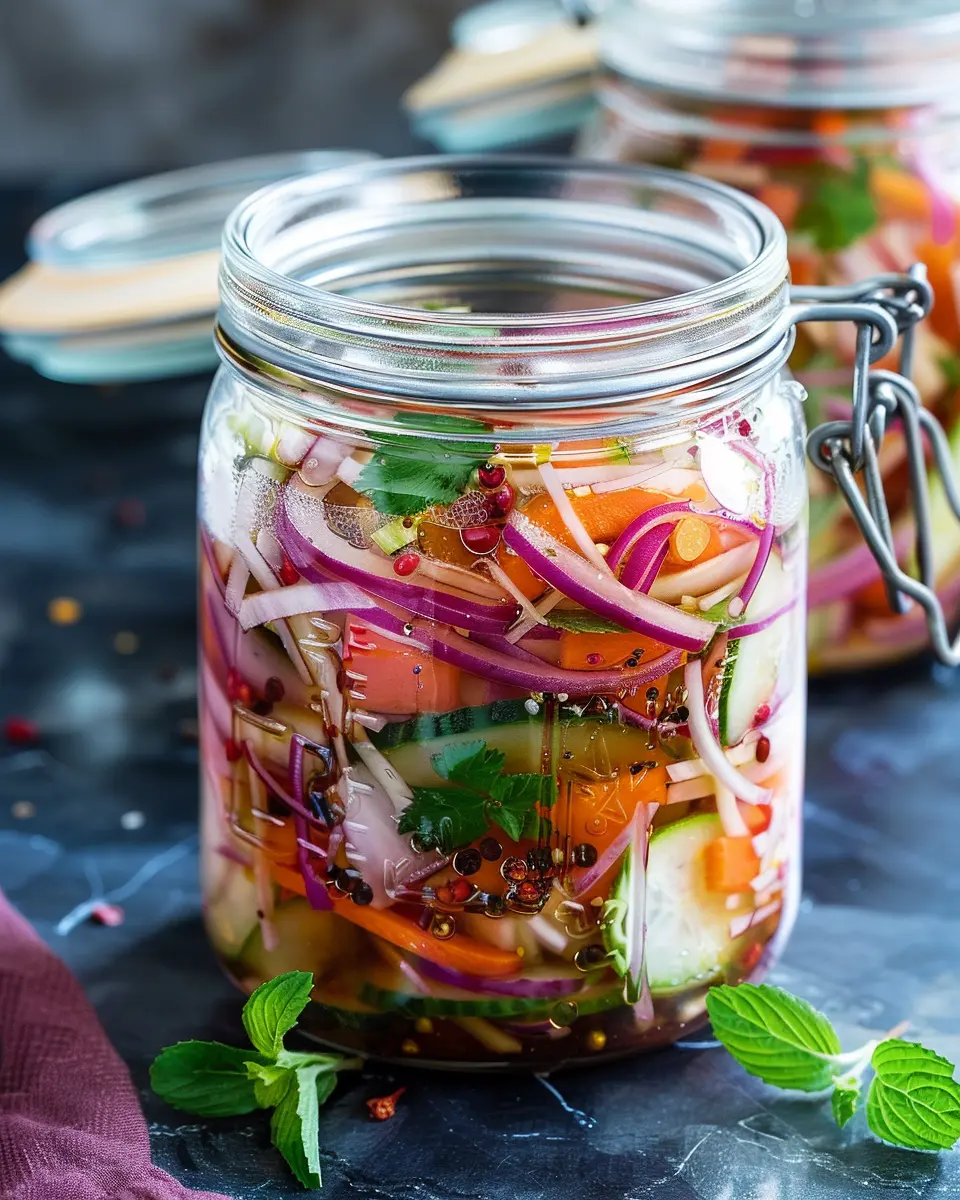
Introduction to Quick Fridge Pickled Vegetables
The joy of homemade pickles
There’s something incredibly satisfying about creating your own quick fridge pickled vegetables. Imagine walking into your kitchen, opening your fridge, and grabbing a jar of vibrant, tangy delights you crafted yourself. The joy of homemade pickles isn’t just about the delicious taste; it’s about the pride of knowing exactly what’s inside those jars. With just a few simple ingredients, like vinegar, salt, and your choice of vegetables, you can elevate ordinary meals into something extraordinary. If you’ve ever bought a jar of pickles and thought, “I could make this at home,” you’re absolutely right!
How pickling can elevate your meals
Quick fridge pickled vegetables are not just a side dish; they can transform your culinary experience. Think about how a crisp pickled cucumber can add a fresh crunch to a hearty turkey bacon sandwich or how tangy pickled onions can liven up a salad. The versatility of pickles extends to almost any dish, offering balance to rich flavors and adding a delightful contrast to textures.
According to research from the Journal of Food Science, pickling can also enhance the nutritional profile of your vegetables, allowing vital probiotics to flourish in your gut. This means that when you enjoy that pickle, it’s not just a flavor explosion—it’s also doing good things for your body!
Quick pickling vs. traditional methods
You might have heard of people who spend days or weeks perfecting traditional pickling techniques, but quick fridge pickled vegetables offer a fantastic alternative for those of us with busy lives. Quick pickling involves using a simple brine and storing your veggies in the refrigerator, allowing them to marinate in just a few hours or overnight. This method not only saves time but also allows you to experiment more freely with different flavors and ingredients.
With quick pickling, you can be adventurous! Whether you want to try experimenting with different types of vinegar or mix in spices you love, the process is refreshingly simple. So why not give it a try? Your taste buds will thank you, and your meals will never be the same again!
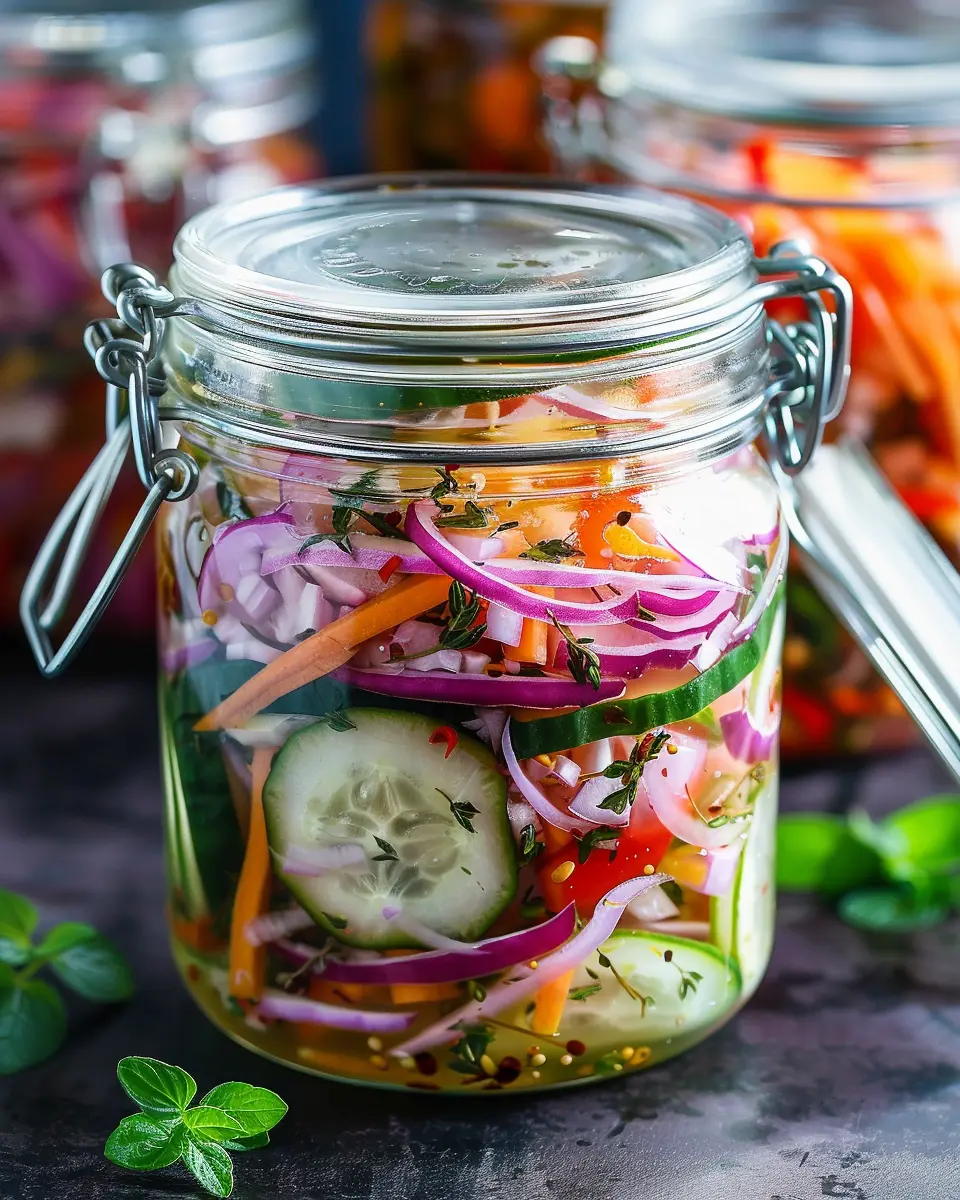
Ingredients for Quick Fridge Pickled Vegetables
Essential ingredients for quick pickling
Creating quick fridge pickled vegetables is exciting and easy! At the heart of this process are some essential ingredients you’ll need:
- Fresh vegetables: Think cucumbers, carrots, bell peppers, and red onions. Choose varieties you love!
- Vinegar: White vinegar or apple cider vinegar works wonders. The acidity helps preserve the vegetables and adds that zingy flavor.
- Salt: Use kosher or sea salt for the best results, which helps with flavor and crispness.
- Sugar: A touch of sugar balances the acidity, so don’t skip this!
- Spices: Dill, mustard seeds, and red pepper flakes add delightful depth to your pickles.
Why fresh vegetables matter
When it comes to pickling, fresh vegetables are your best friends. They not only pack more nutrients but also ensure your pickled veggies stay crunchy and vibrant in color. When you bite into a crisp pickle, you’ll appreciate the difference!
Essential tools you’ll need
Gather a few simple tools for a smooth pickling experience:
- Mason jars: Perfect for storing your pickles and showcasing them on your shelf.
- Cutting board and knife: For chopping your veggies to the perfect size.
- Saucepan: To combine your vinegar and spices, creating that aromatic brine.
Ready to dive into pickling? We recommend checking out resources from the National Center for Home Food Preservation for more tips on proper pickling techniques!
Step-by-step Preparation of Quick Fridge Pickled Vegetables
When you’re looking for a vibrant, zesty addition to your meals that can be made quickly, quick fridge pickled vegetables are your best friends. Not only are they super simple to prepare, but they also add a delightful crunch and a hit of flavor to salads, sandwiches, and bowls. Let’s dive into the preparation process!
Prepare your vegetables
First things first, you’ll need to select the right vegetables for pickling. You can use almost anything you have on hand, but some popular choices include:
- Cucumbers: A classic! Whether you prefer slicing them or leaving them whole, they’re ideal for pickling.
- Carrots: Cut into sticks or rounds, they add sweetness and crunch.
- Radishes: Their peppery bite can elevate any dish.
- Onions: Sliced thin, they soak up all that delicious brine.
Wash and slice your chosen vegetables appropriately, aiming for uniform pieces to ensure even pickling. It’s not just aesthetic; it’s practical! If you’re feeling adventurous, consider adding garlic cloves or fresh herbs like dill or thyme for extra flavor. It’s amazing how these small additions can take your quick fridge pickled vegetables to the next level.
Create the pickling brine
Next up, the hero of the show: the pickling brine! The base of any good pickle brine is a mix of vinegar, water, and salt. Here’s a quick and easy recipe for your brine:
- 1 cup vinegar (white or apple cider)
- 1 cup water
- 1-2 tablespoons of sugar (optional, but it balances the acidity)
- 1 tablespoon salt
In a saucepan, combine the vinegar, water, sugar, and salt. Heat over medium until everything dissolves—this usually takes about five minutes. This brine not only preserves your veggies but also infuses them with flavor, so choose your vinegar wisely. If you’re interested in the science behind pickling and its nutritional benefits, checking out resources like The National Center for Home Food Preservation could give you more insights.
Pack veggies into the jar
Once your veggies are prepped and the brine is ready, it’s time to pack. You’ll want a clean, sterilized jar—mason jars work wonders here.
- Layer your vegetables into the jar, but don’t be afraid to pack them tightly.
- You can also add sliced garlic, chili flakes, or whole peppercorns to keep those flavors swirling.
Aim for a colorful display; after all, we eat with our eyes first! Take a moment to admire your handiwork; it’s going to look fabulous in your fridge.
Pour the brine and seal
Now comes the exciting part—pouring the brine over your packed veggies. Slowly fill the jar until the vegetables are completely submerged. You want those beauties to be bathed in that flavorful liquid! Consider leaving a little space at the top (about half an inch) to allow for any expansion. After that, seal the jar tightly.
Let the brine cool slightly before placing it in the fridge; this will keep the vegetables from getting mushy. Also, remember, they’ll taste even better after marinating for a day or two!
Cool and store in the fridge
Finally, your quick fridge pickled vegetables are ready for their cooling phase. Ideally, let them sit in the fridge for at least 24 hours before diving in, though they can last for up to a month. The flavor will deepen and develop as they sit, so patience is vital.
Store them in your refrigerator, and voilà! You’re ready to add a splash of tangy flair to your meals. Enjoy tossing them into salads, topping off tacos, or serving alongside charcuterie boards—whatever you choose, they’re sure to impress! Remember, once you master this technique, the possibilities for your pickled creations are endless. Happy pickling!
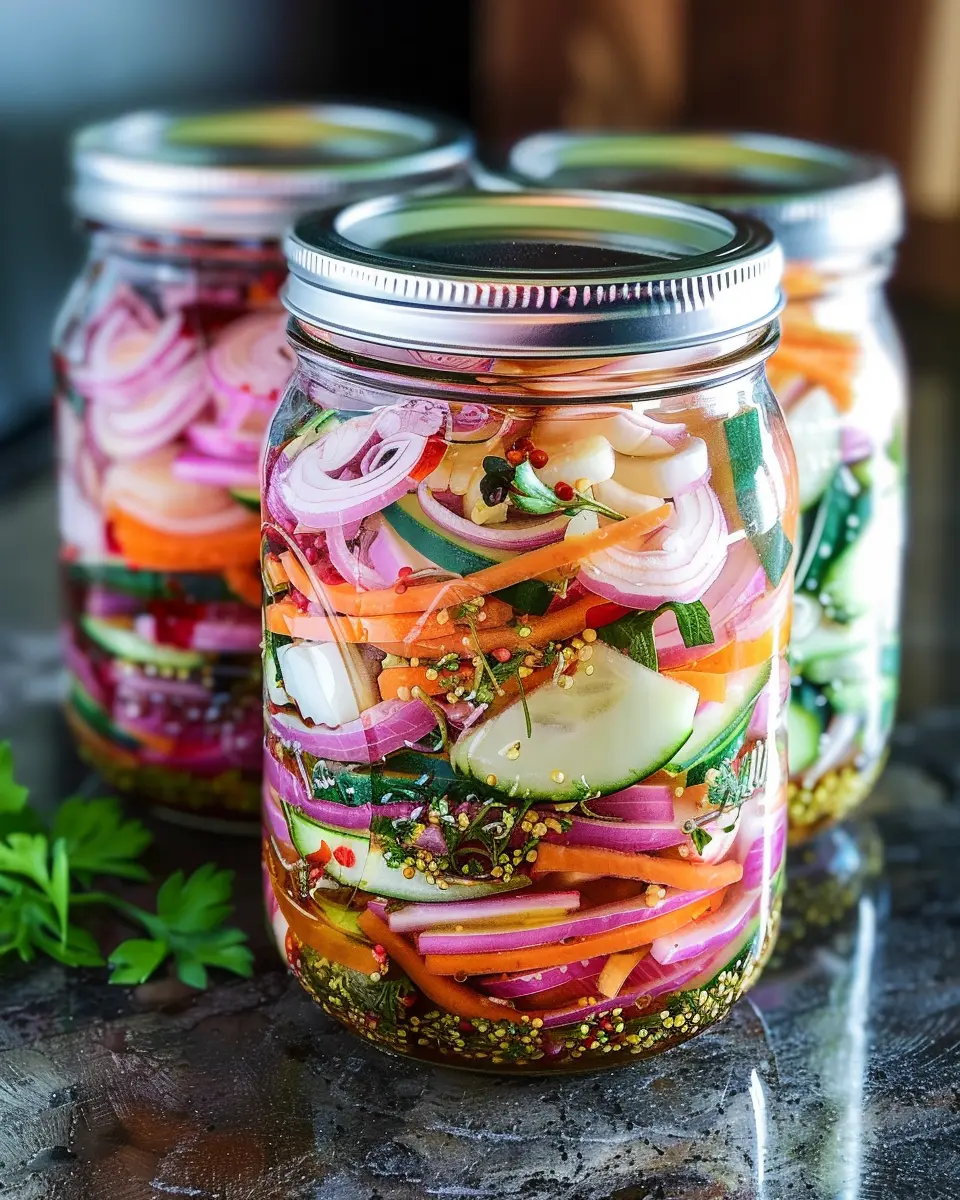
Variations on Quick Fridge Pickled Vegetables
When it comes to making quick fridge pickled vegetables, the possibilities are practically endless. Adding your own twist can elevate the flavor profile and cater to your personal taste. Let’s explore some delightful variations that will keep your taste buds dancing!
Spicy Pickled Veggies with Jalapeños
If you crave a kick in your pickles, why not incorporate jalapeños? Simply slice some fresh jalapeños and add them to your pickling brine for an exciting spicy flair. Combine them with classic vegetables like carrots and cucumbers to create a zesty, vibrant accompaniment for tacos or sandwiches. Did you know that adding heat can increase your metabolism? Spice it up!
Sweet and Tangy Options
For those leaning towards a sweeter palate, consider using honey or maple syrup in your brine. This not only maintains that delightful tang but also introduces a lovely sweetness. Carrots, red onions, and even bell peppers work remarkably well in a sweet and tangy blend. Try serving them over salads or as a topping for your favorite grain bowls. As per this Nutritional Study, incorporating a range of flavors in your diet can significantly enhance overall satisfaction.
Unusual Vegetables to Try
Why stick to the usual suspects? Expand your pickling horizons by trying out vegetables like radishes, asparagus, or even cauliflower. Each offers unique textures and flavors that can surprise and delight. Explore interesting combinations, such as pickled beets paired with goat cheese for a sophisticated appetizer. With so many options, you’re bound to find some unusual vegetables that become new favorites.
Incorporating different elements into your quick fridge pickled vegetables not only makes the process fun but also allows you to customize your creations. Happy pickling!
Cooking Tips and Notes for Quick Fridge Pickled Vegetables
Choosing the Right Vinegar
When making quick fridge pickled vegetables, the vinegar you select plays a pivotal role in flavor. Apple cider vinegar adds a mild sweetness, while white vinegar delivers a sharper tang. Experiment with rice vinegar for a gentler taste, or combine different types for a custom blend. Each vinegar brings its own unique touch to your pickles.
Adjusting Flavors to Your Liking
Don’t hesitate to tweak the pickling brine to suit your palate! Consider adding flavors like garlic, mustard seeds, or fresh herbs. You can also adjust the sugar and salt levels. Taste as you go—this is your creation, and it should reflect what you love. For inspiration, check out food blogs like Serious Eats or Food52.
How to Maintain Crunchy Texture
Keeping your vegetables crisp is crucial. Start with fresh, firm produce and consider quick blanching for harder vegetables like carrots or green beans. This process can enhance their texture while still allowing for that satisfying crunch! Additionally, ensure your brine is hot before pouring it over the veggies, as this helps them absorb the flavors without losing their snap.
Enjoy crafting your quick fridge pickled vegetables! Experimenting with different combinations will not only enhance your meals but could also become a fun activity to share with friends.
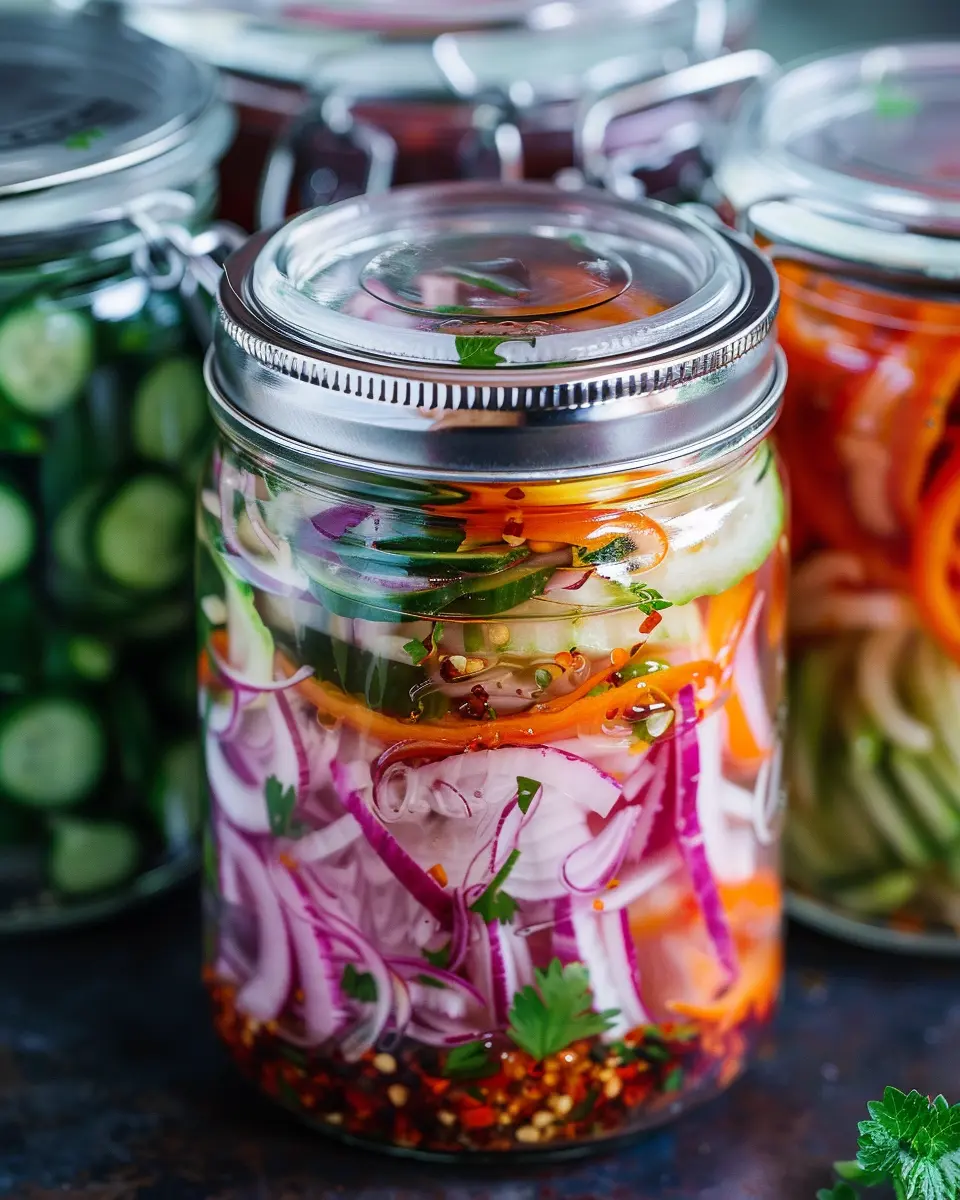
Serving Suggestions for Quick Fridge Pickled Vegetables
Accompanying Main Dishes
Quick fridge pickled vegetables are the perfect, zesty addition to a variety of main dishes. They brighten up hearty meals like grilled chicken or beef tacos, adding a crunch that complements the meat’s richness. You can also serve them alongside turkey bacon breakfast sandwiches for a delightful contrast in texture and flavor. For vegetarian options, toss them into grain bowls or pair them with roasted vegetables to enhance a plant-based feast.
Creative Uses in Salads and Sandwiches
Elevate your salads by mixing quick fridge pickled vegetables into leafy greens or grains, creating a tangy, refreshing bite that balances flavors beautifully. They also shine in sandwiches; layer them with chicken ham on whole-grain bread or add them to a veggie wrap for an exciting twist. This simple addition can transform an ordinary dish into something extraordinary, delighting both your palate and guests.
Snack Ideas with Pickled Veggies
Feeling snacky? Munch on crunchy quick fridge pickled vegetables straight from the jar, or pair them with hummus and crackers for a satisfying, nutritious snack. You can also chop them up and mix them into your favorite dips for extra zest. Let’s not forget serving them on charcuterie boards; they provide a colorful burst and a tangy bite that pairs wonderfully with a variety of cheeses and meats.
For more tips on serving pickled veggies, check out resources from culinary experts on sites like The Kitchn and Serious Eats.
Time Breakdown for Quick Fridge Pickled Vegetables
Preparation time
Creating quick fridge pickled vegetables is a breeze! Give yourself about 15 minutes for preparation. This includes washing and slicing your veggies of choice—think cucumbers, carrots, or bell peppers. It’s a simple activity that even a busy young professional can squeeze into their day.
Cooling time
Once you’ve prepped your veggies and combined them with your pickling brine, let them cool at room temperature for 30 minutes. This step is crucial for allowing those flavors to meld beautifully before transferring them to the fridge.
Total time
In just 45 minutes, you can have your very own jar of vibrant and crunchy quick fridge pickled vegetables. Store them in the fridge, and they’ll be ready to enjoy within a couple of hours, making them the perfect addition to salads, sandwiches, or snacking.
For more tips on pickling, check out resources like Food & Wine or Serious Eats for great advice and recipe ideas!
Nutritional Facts for Quick Fridge Pickled Vegetables
When it comes to quick fridge pickled vegetables, they are not just tasty—they’re a nutritional powerhouse! Here’s a closer look at their beneficial attributes:
Calories
A typical serving of quick fridge pickled vegetables contains around 20-40 calories, depending on the vegetables used and the brine’s sugar content. This makes them a guilt-free addition to any meal!
Sodium
While pickled items tend to have a higher sodium content, you can control this by adjusting the salt in your recipe. On average, expect about 250-600 mg of sodium per serving. For reference, the CDC recommends limiting sodium intake to less than 2,300 mg per day.
Key Vitamins and Minerals
Quick fridge pickled vegetables are rich in vitamins A and C, which are essential for immune function and skin health. They also provide some calcium and potassium, contributing to strong bones and heart health. For more information on the nutrition of these vegetables, check out sources like the USDA Food Composition Databases.
Incorporating these vibrant, tangy veggies into your diet can definitely help boost your overall nutrient intake!
FAQs about Quick Fridge Pickled Vegetables
How long do pickled vegetables last in the fridge?
When you whip up a batch of quick fridge pickled vegetables, you might be wondering how long they can hang out in your fridge. Generally, homemade pickled veggies can stay fresh for about 1 to 2 months. As the days go by, they’ll continue to develop their flavors, often tasting even better after a week of marinating. Just be sure to store them in a clean, airtight container to keep them crunchy and delicious!
Can I use frozen vegetables for pickling?
While it might be tempting to grab those frozen veggies lurking in your freezer for pickling, it’s best to steer clear. Frozen vegetables tend to lose their crisp texture during the freezing process, making them less than ideal for quick fridge pickled vegetables. Fresh, firm vegetables like cucumbers, carrots, or bell peppers are your best friends here! If you’re looking to learn more about the texture and quality of different veggies, check out expert advice from EatingWell.
What are the health benefits of pickled vegetables?
You may be surprised to learn that pickled vegetables can be quite nutritious! They are low in calories and packed with vitamins and minerals. Additionally, the fermentation process often enhances the bioavailability of nutrients, making them easier for your body to absorb. On top of that, pickled vegetables contain probiotics, which support gut health and boost your immune system. According to a study from the International Journal of Food Sciences and Nutrition, these beneficial bacteria can improve your overall health. So go ahead and enjoy those quick fridge pickled vegetables—your body will thank you!
Conclusion on Quick Fridge Pickled Vegetables
Embracing Homemade Flavors
There’s something uniquely satisfying about creating your own quick fridge pickled vegetables. The crunch, the tang, and those vibrant colors make each bite a delight. Plus, making these at home allows you to tailor flavors to your taste—think spices, herbs, and even sweetness levels. Not only do you inspire your palate, but you also keep preservatives at bay.
Encouragement to Experiment with Pickling
Don’t shy away from experimentation! The beauty of quick pickling is its versatility. Try different combinations of seasonal veggies, or add your favorite herbs for a distinctly personal touch. If you’re feeling adventurous, explore resources like Bon Appétit or Food52 for more creative ideas. So grab that jar, let your culinary creativity flow, and enjoy the process of crafting delightful flavors right in your fridge!
PrintQuick Fridge Pickled Vegetables: Easy & Tasty Homemade Snacks
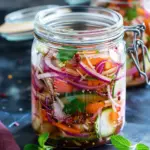
Make delicious and easy quick fridge pickled vegetables at home. These colorful snacks are great for adding crunch to salads or enjoying on their own!
- Prep Time: 15 minutes
- Cook Time: 5 minutes
- Total Time: 24 hours and 20 minutes
- Yield: 2 cups
- Category: Pickling
- Method: Refrigeration
- Cuisine: American
- Diet: Vegetarian
Ingredients
- 2 cups mixed vegetables (carrots, cucumbers, bell peppers)
- 1 cup vinegar (white or apple cider)
- 1 cup water
- 2 tablespoons sugar
- 1 tablespoon salt
- 1 teaspoon garlic powder
- 1 teaspoon black peppercorns
- 1 teaspoon mustard seeds
Instructions
- Prepare your vegetables by slicing them into thin sticks or rounds.
- In a saucepan, combine the vinegar, water, sugar, salt, garlic powder, black peppercorns, and mustard seeds. Bring to a boil.
- Once boiling, remove from heat and let the mixture cool slightly.
- Place the prepared vegetables in a jar and pour the hot vinegar mixture over them until fully submerged.
- Seal the jar and let it cool to room temperature, then refrigerate.
- Let the vegetables pickle for at least 24 hours before enjoying.
Notes
- For more flavor, add herbs like dill or thyme to the pickling liquid.
- Experiment with different vegetables to create your perfect mix!
Nutrition
- Serving Size: 1/2 cup
- Calories: 50
- Sugar: 2g
- Sodium: 500mg
- Fat: 0g
- Saturated Fat: 0g
- Unsaturated Fat: 0g
- Trans Fat: 0g
- Carbohydrates: 12g
- Fiber: 2g
- Protein: 1g
- Cholesterol: 0mg