




Introduction to Cacio e Pepe
What is Cacio e Pepe?
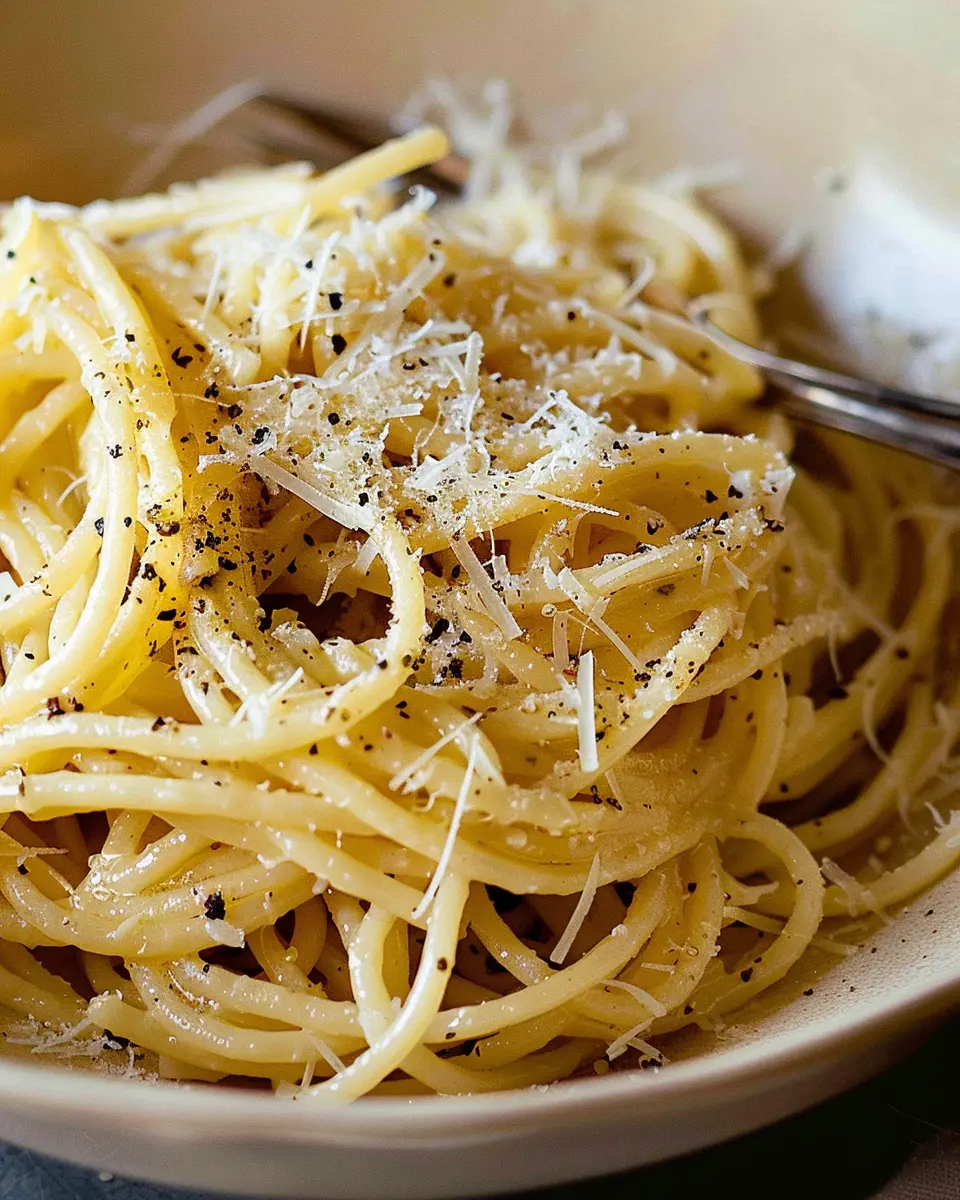
Cacio e Pepe, which translates to “cheese and pepper,” is a beloved dish originating from Rome, celebrated for its simplicity and bold flavors. This classic pasta dish features just three main ingredients—spaghetti (or other pasta), Pecorino Romano cheese, and black pepper. The magic happens when these components come together to create a creamy, savory sauce without the use of cream or heavy additives.
Why does it have such a cult following? The answer lies in its ease of preparation and the comforting taste that evokes the heart of Italian culinary tradition. Many food enthusiasts, including young professionals, find this dish a perfect go-to recipe for weeknight dinners. You can whip it up in under 20 minutes, making it a convenient option for those busy evenings when you still crave home-cooked goodness.
Why is it a favorite among young professionals?
Cacio e Pepe has quickly become a staple among young professionals for several reasons:
-
Simplicity: Let’s be honest—after a long day, the last thing you want is to spend hours in the kitchen. This dish requires minimal ingredients and effort, allowing you to put a satisfying meal on the table in no time.
-
Affordability: With rising living costs, meals that don’t break the bank are a must. The ingredients for Cacio e Pepe are not only easy to find, but they’re also budget-friendly. A bag of pasta, some cheese, and a few shakes of pepper can go a long way.
-
Impressiveness: Nothing beats serving a dish that sounds as sophisticated as Cacio e Pepe. Imagine your friends’ faces when they realize that this delightful plate is rooted in Italian tradition.
-
Versatility: While the traditional recipe is outstanding on its own, it can be easily adjusted by incorporating options like turkey bacon or chicken ham for an added twist.
If you’re interested in diving deeper into Italian culinary heritage, consider checking out resources like the Italian Trade Agency for authentic recipes and insights.
Cacio e Pepe isn’t just a meal; it’s a delightful culinary experience that merges convenience with taste, making it a must-try for anyone looking to enhance their cooking repertoire.
Ingredients for Cacio e Pepe
Essential ingredients for a simple Cacio e Pepe
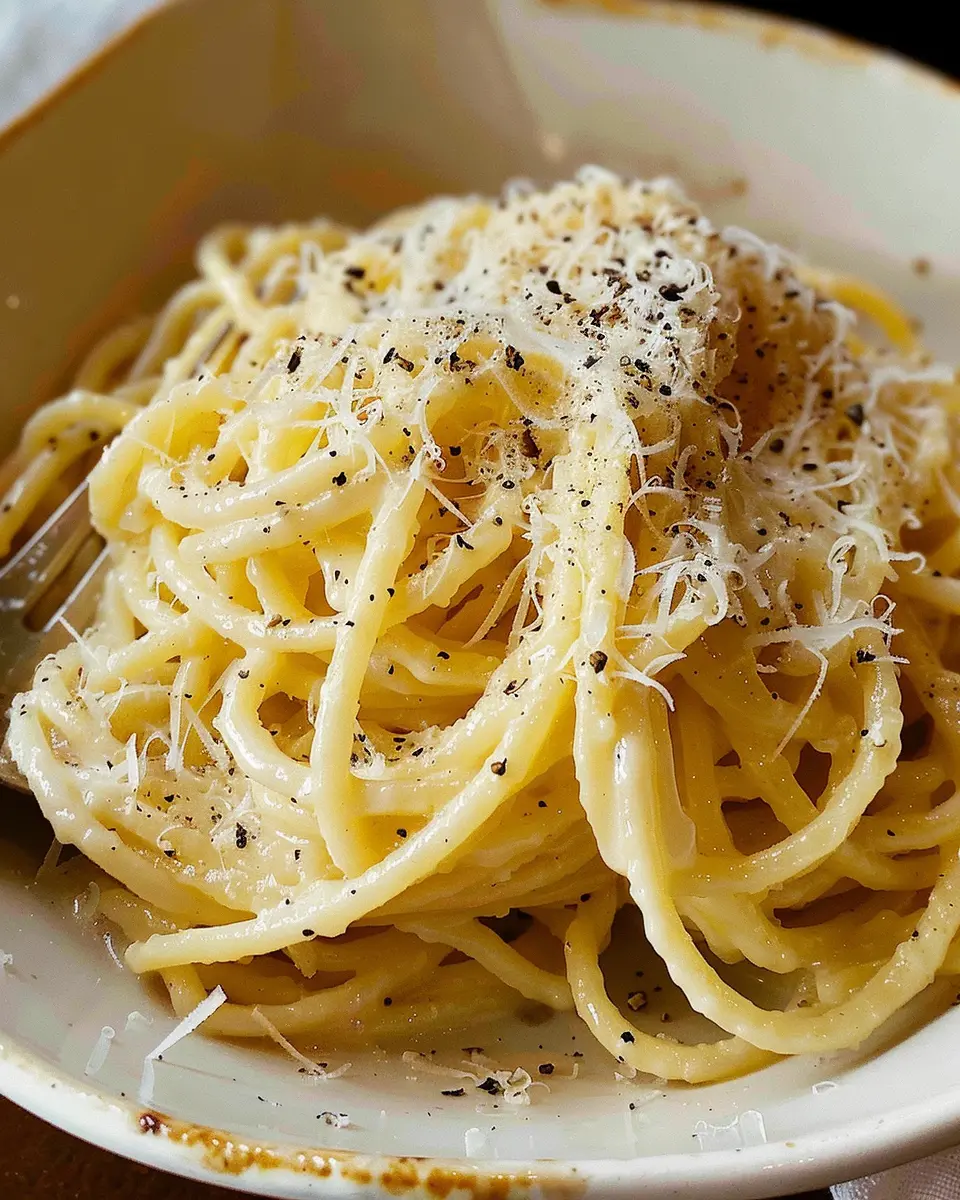
A classic Cacio e Pepe is all about simplicity, relying on a few key ingredients to create that rich, creamy flavor. Here’s what you’ll need:
- Pasta: Opt for spaghetti or tonnarelli for the perfect texture.
- Cheese: Pecorino Romano is traditional, offering a sharp and salty kick.
- Black pepper: Freshly ground is a must for the best flavor.
- Pasta water: This starchy water is crucial for forming the sauce.
These simple components blend beautifully, making it easy to whip up a satisfying meal, even on a busy weeknight.
Optional ingredients for added flavor
Want to take your Cacio e Pepe to the next level? Consider adding these optional ingredients for an extra flavor boost:
- Turkey bacon or chicken ham: A touch of protein can add depth to your dish.
- Olive oil or butter: A drizzle or small pat can enhance creaminess.
- Fresh herbs: Basil or parsley can offer a fresh contrast to the rich cheese.
Feel free to experiment with these additions, but remember: the magic happens when the Cacio e Pepe shines on its own. For more tips on pasta cooking, check out this pasta cooking guide.
Step-by-step Preparation of Cacio e Pepe
When it comes to Italian comfort food, few dishes are as simple yet satisfying as Cacio e Pepe. Originating from Rome, this dish highlights the robust flavors of cheese and black pepper, making it a beloved classic. Here’s a friendly step-by-step guide to whip up this delightful meal right at home.
Gather your ingredients and equipment
Before we dive into cooking, it’s essential to assemble all the ingredients and tools you’ll need. This not only streamlines the process but also makes for a more enjoyable cooking experience. For a perfect Cacio e Pepe, you’ll need:
Ingredients:
- Spaghetti or tonnarelli pasta (400g)
- Pecorino Romano cheese (200g)
- Freshly cracked black pepper (2-3 teaspoons)
- Salt (for the pasta water)
- Optional: Unsalted butter (2 tablespoons)
Equipment:
- Large pot (for boiling the pasta)
- Colander
- Mixing bowl
- Sturdy whisk or fork
- Ladle (for pasta water)
Having everything at your fingertips will allow you to focus on making this delicious dish without interruptions.
Cook the pasta to al dente perfection
To start, fill a large pot with water and bring it to a rolling boil. Be generous with the salt—this is your chance to season the pasta! As a general rule, use about 1-2 tablespoons of salt per 4 liters of water.
Once the water is boiling, add the spaghetti or tonnarelli. Cook until the pasta is al dente, typically about 7-10 minutes, depending on your chosen pasta. Don’t forget to reserve about 1 cup of the starchy pasta water before draining! This will be key in achieving that creamy sauce later on.
Melting the butter and combining flavors
While your pasta cooks, it’s time to meld some flavors together. In a large skillet over medium heat, add the unsalted butter. Let it melt gently, ensuring it doesn’t burn. If you’re looking for a richer flavor, consider adding in some finely chopped garlic at this stage (optional).
Once the butter has melted, sprinkle in the freshly cracked black pepper. Sauté for just a minute to release the aromatic oils and enhance its flavor. The aroma will be delightful and will set the tone for the dish.
Creating the creamy sauce with cheese and pepper
Now comes the moment of magic. When your pasta is ready, drain it, but remember to keep that reserved pasta water. Add the drained pasta into the skillet with the melted butter and pepper.
Here’s where the creamy transformation begins. Gradually mix in the grated Pecorino Romano cheese. Use a sturdy whisk or fork to combine, adding a splash of pasta water as you go. This starchy water will help emulsify the cheese, creating a smooth, luscious sauce that clings to each strand of pasta. If you find the sauce too thick, just add more pasta water until you reach the desired consistency.
Plating and garnishing your dish
Now that your Cacio e Pepe is complete, it’s time to bring it to the table! Use tongs to elegantly twirl the pasta and create nests on each plate. For a beautiful finishing touch, garnish with an extra sprinkle of grated Pecorino Romano and a dash of cracked black pepper.
To elevate your dining experience, consider serving it alongside a refreshing green salad. A light vinaigrette with citrus notes pairs beautifully.
And there you have it! With these detailed steps, you’ve created a stunning plate of Cacio e Pepe that shines with simplicity and flavor. Whether you’re impressing friends or enjoying a cozy night, this dish is sure to please everyone. Enjoy your cooking adventure!
For more pasta inspiration, check out sources like Italian Food Forever and The Spruce Eats for tips on variations and additional recipes. Happy cooking!
Variations of Cacio e Pepe
Adding proteins like Chicken Ham or Turkey Bacon
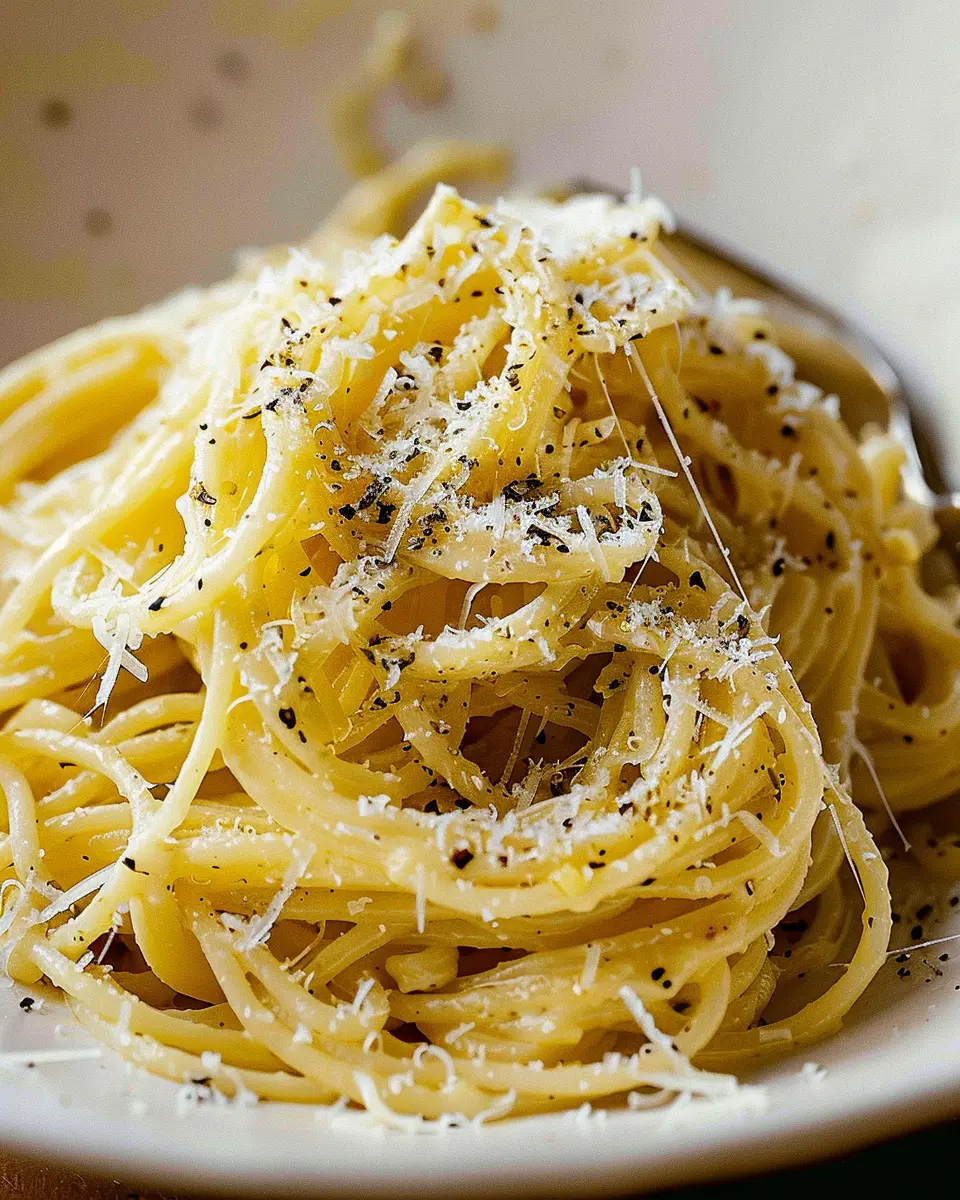
Cacio e Pepe is a classic Roman dish that shines in its simplicity, but that doesn’t mean you can’t have a bit of fun with it! Adding proteins such as Chicken Ham or Turkey Bacon gives this beloved pasta a heartier twist while keeping it deliciously indulgent.
-
Chicken Ham: This lean meat has a mild flavor that complements the rich, cheesy sauce beautifully. Simply sauté diced Chicken Ham until golden, then toss it with your pasta just before serving for added texture and taste.
-
Turkey Bacon: Looking for a guilt-free alternative? Turkey Bacon is a fantastic way to introduce that savory crunch without overdoing it. Cook it crispy, crumble it over your dish, and watch your guests devour every bite!
You can learn more about these tasty protein additions from Healthline.
Exploring different pasta shapes and textures
While traditional spaghetti or tonnarelli are the go-to for classic cacio e pepe, don’t shy away from experimenting with other pasta shapes. Each type brings a unique mouthfeel:
-
Fusilli: The spirals trap more of the cheese and pepper, creating delightful bursts of flavor.
-
Penne: With its tubular shape, penne can hold onto the creamy sauce in a different way, making each bite equally satisfying.
-
Bucatini: This thick spaghetti-like pasta has a hole running through the center, which amplifies the cheese’s richness.
Experimenting with pasta shapes not only adjusts the texture but can also keep your meal exciting! Keep your taste buds guessing—because who said cacio e pepe couldn’t be reinvented?
Cooking Tips and Notes for Cacio e Pepe
Tips for achieving the perfect cheese sauce
Creating the ideal cacio e pepe is all about timing and technique. Start by grating high-quality Pecorino Romano cheese; the finer the grate, the smoother your sauce will be. Combine it with a bit of the reserved pasta water—it should be starchy and hot—to create a creamy emulsion. Stir vigorously to avoid clumping, and don’t forget to add freshly cracked black pepper to enhance the flavor.
Common mistakes to avoid in cooking
Many aspiring chefs overlook the importance of using enough pasta water. If your sauce is too thick, it’ll become sticky instead of silky. Also, resist the urge to add other ingredients; cacio e pepe shines in its simplicity. And remember: it’s best to serve this dish immediately while it’s still warm and creamy.
For additional cooking tips, check out Serious Eats or Bon Appétit. Happy cooking!
Serving Suggestions for Cacio e Pepe
Complementary Dishes to Serve Alongside
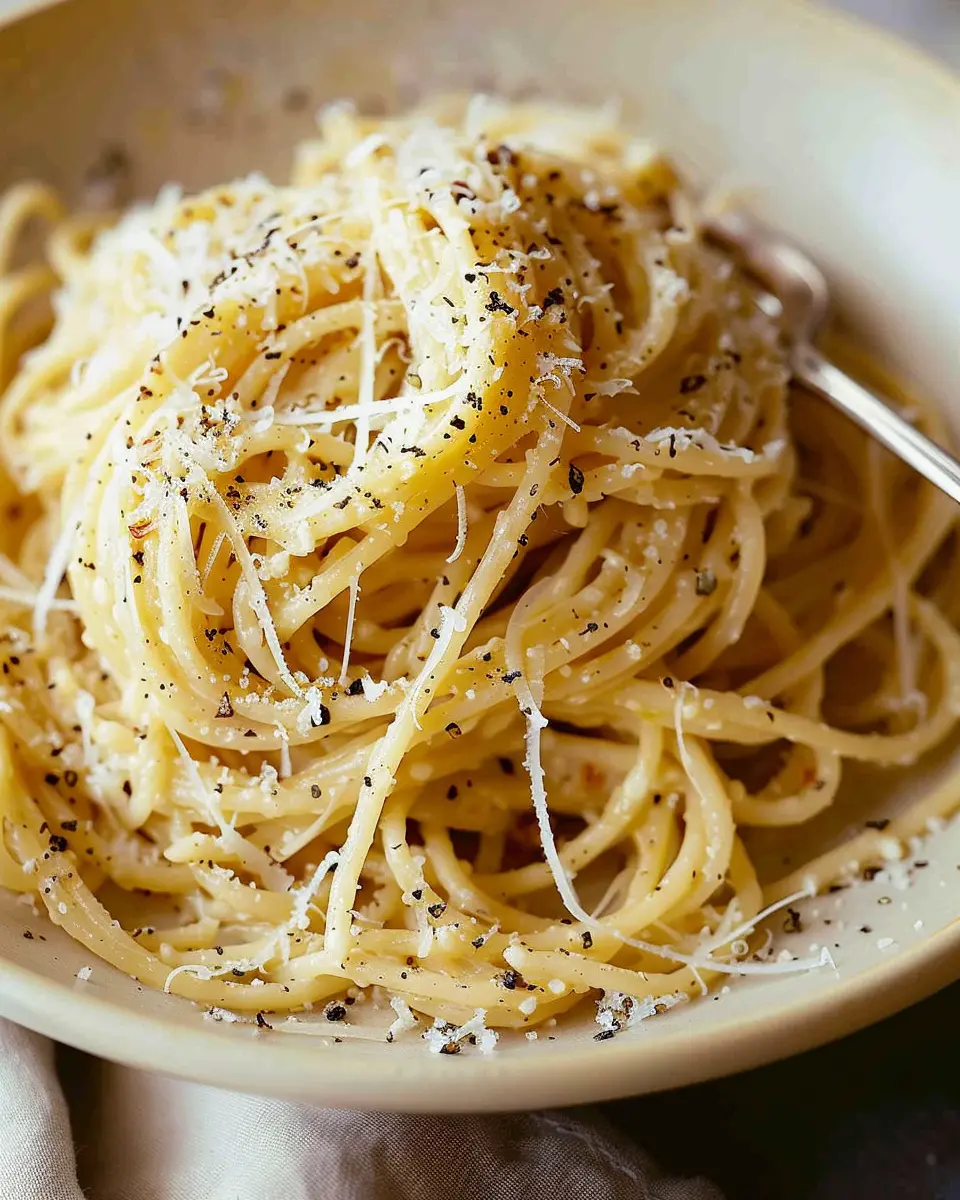
Cacio e Pepe is a wonderfully simple yet flavorful dish that can stand on its own, but it pairs beautifully with a variety of complementary sides. Consider adding:
- Garlic Roasted Broccoli: The garlicky crunch adds texture and a touch of vitamins.
- Arugula Salad: A light salad with a simple lemon vinaigrette helps cut through the richness of the cheese.
- Grilled Vegetable Platter: Seasonal veggies bring color and freshness to your table.
Recommended Alternatives for Drinks and Sides
No meal is complete without the right beverages. Here are some refreshing options to enhance your dining experience:
- Sparkling Water with Lime: A bubbly drink keeps the palate refreshed.
- Herbal Iced Tea: Mint or chamomile tea served cold can contrast nicely with the pasta’s creaminess.
- Homemade Lemonade: Sweet and tart, it’s a classic choice for a summer meal.
Cacio e Pepe shines just with its simplicity, so feel free to mix and match these suggestions for an elevated yet casual dining experience! Check out these amazing salad recipes for some extra inspiration!
Time Breakdown for Cacio e Pepe
When you’re ready to whip up a delightful dish of cacio e pepe, understanding the time commitment can help you plan your evening perfectly.
Preparation Time
Getting everything ready for this simple yet delectable cacio e pepe takes about 10 minutes. You’ll want to gather your ingredients—think pasta, pepper, and cheese—so everything is at your fingertips!
Cooking Time
The actual cooking process doesn’t take long at all, clocking in at around 15 minutes. While your pasta is boiling, you’ll have just enough time to toast that black pepper to bring out its full flavor.
Total Time
In total, you’re looking at about 25 minutes from start to finish. This makes cacio e pepe the ideal option for a quick weeknight dinner or an impressive dish for entertaining friends. Plus, if you’re craving more Italian recipe inspiration, check out this site for delicious ideas!
Mastering the art of timing is essential in cooking, and with cacio e pepe, you’ll find that it’s not just about speed—it’s about the perfect blend of flavors that makes every minute worth it!
Nutritional Facts for Cacio e Pepe
Cacio e pepe, a classic Roman dish, is not just a delight for the taste buds but also packs a decent nutritional punch.
Calories per serving
A typical serving of cacio e pepe contains around 400 calories. This makes it a satisfying meal choice, especially without overdoing it.
Protein content
Each serving offers about 12-15 grams of protein, primarily from the pecorino romano cheese. This helps keep you feeling full and is essential for muscle repair and growth, which is important for those busy professionals aiming to stay healthy.
Sodium levels
However, it’s worth noting that cacio e pepe can be higher in sodium, with approximately 800-900 mg per serving, primarily due to the cheese and any added salt. If you are watching your sodium intake, consider opting for a lower-sodium cheese option. For more information on managing sodium levels, check out resources from the CDC here.
Cacio e pepe can easily fit into a balanced diet when enjoyed in moderation, giving you a delicious blend of flavor and nutrition.
FAQs about Cacio e Pepe
Cacio e Pepe is a simple yet delightful dish that raises a lot of questions. Let’s dive into some common inquiries!
How can I make my Cacio e Pepe creamier?
If you’d like to elevate your Cacio e Pepe to a creamier level, consider adding a splash of reserved pasta water to your sauce. This starchy water helps to bind the cheese and pepper together, creating a richer and silkier sauce. You can also mix in a bit of heavy cream or mascarpone cheese for an indulgent twist—just be sure to adjust the seasoning as needed.
Can I use different types of cheese?
While traditional Cacio e Pepe calls for Pecorino Romano, feel free to mix it up! Parmesan is a popular substitute and can bring a nuttier flavor to your dish. Some adventurous cooks even like to combine both cheeses for a unique taste experience. Just remember that the primary flavor should still come from the cheese, so choose varieties that complement rather than overshadow the dish.
Are there vegetarian options for this dish?
Absolutely! Cacio e Pepe can be easily adapted for a vegetarian diet. Simply skip any meat additions, and focus on the cheese, pasta, and pepper. If you’re appending ingredients for extra flavor, consider adding roasted vegetables like asparagus or mushrooms. For a delightful twist, check out this guide on creating vegetarian pasta dishes from sources like Food Network for more inspiration.
Cacio e Pepe is all about balance and creativity, so don’t hesitate to make it your own!
Conclusion on Cacio e Pepe
Embracing the Simplicity of Cacio e Pepe
In a world where culinary experiences can feel overwhelmingly complex, homemade Cacio e Pepe shines as a beacon of simplicity and joy. This classic Italian dish, made with just a few ingredients – pasta, cheese, and pepper – proves that sometimes less is more. The creamy texture and rich flavors encapsulate the essence of Italian comfort food, making it a delightful choice for any dinner.
Try It Yourself and Discover the Joy
So why not give it a shot? Making Cacio e Pepe can be an enjoyable and rewarding experience, especially when you savor that first bite of your creation. Armed with just pasta, Pecorino Romano, and black pepper, you’ll not only impress your friends but also deepen your appreciation for wholesome, homemade meals. Dive into the world of Cacio e Pepe and let your taste buds celebrate! For more tips on perfecting this dish, check out resources from Eater and the New York Times Cooking website.
PrintCacio e Pepe: The Best Easy Recipe with Turkey Bacon Twist
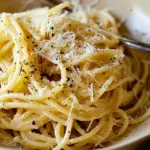
A simple and delicious recipe for Cacio e Pepe with a twist of turkey bacon.
- Prep Time: 10 minutes
- Cook Time: 15 minutes
- Total Time: 25 minutes
- Yield: 4 servings
- Category: Pasta
- Method: Boiling and sautéing
- Cuisine: Italian
- Diet: Non-vegetarian
Ingredients
- 8 ounces spaghetti
- 4 slices turkey bacon
- 1 cup grated Pecorino Romano cheese
- 1 teaspoon black pepper
- 2 tablespoons olive oil
- salt to taste
Instructions
- Cook the spaghetti according to package instructions in salted water.
- In a skillet, cook the turkey bacon until crispy, then remove and chop.
- Reserve 1 cup of pasta water and drain the spaghetti.
- Add the pasta to the skillet with olive oil and mix well.
- Remove from heat and stir in the cheese and black pepper, adding pasta water as needed.
- Serve with chopped turkey bacon on top.
Notes
- Adjust the amount of cheese based on your preference.
- For a spicier kick, add crushed red pepper.
Nutrition
- Serving Size: 1 plate
- Calories: 450
- Sugar: 2g
- Sodium: 800mg
- Fat: 20g
- Saturated Fat: 6g
- Unsaturated Fat: 10g
- Trans Fat: 0g
- Carbohydrates: 52g
- Fiber: 3g
- Protein: 20g
- Cholesterol: 30mg